Warm waters
A Dog's JourneyWarm waters is a recurring expression and image for the transition from life to death. It turns dying into a felt passage: pain ebbs as a person is carried away, while the living can offer comfort by staying beside them. Its changing appearance links Max’s death, Toby’s hospice care, and Toby’s final passage into a luminous reunion.
The Image of Release
As Max is dying, he feels a familiar sensation rise within him, described first as a warm, gentle blackness. The searing pain in his joints withdraws, and the rising waters seem to float him away. His final thought remains with the people he is leaving: he is glad that CJ and Trent still have Sneakers to care for them. The image therefore joins physical release to an ongoing bond of care; Max’s passage does not erase his concern for those who remain.
Comfort at the Bedside
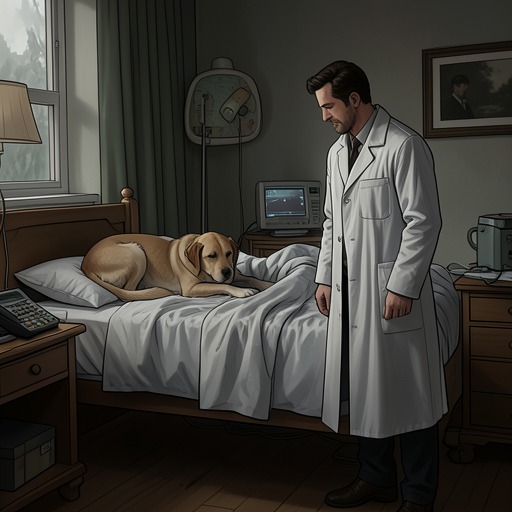
Toby recognizes the same process in Bob, a hospice patient he had previously stepped on while learning to obey the instruction to stay still. One afternoon, sensing Bob easing away from life, Toby lies quietly beside him. The warm waters are rising around Bob and washing away his pains, and Toby understands that accompanying the sick matters especially when they are taking their final breaths. Fran finds Toby there, checks Bob, covers his head with a blanket, and calls Toby a good dog. Afterward, Toby makes a practice of going to the rooms of people nearing death and lying beside them, whether family members are present or they are alone. The image thus gives form to the hospice work Toby adopts: he cannot stop the passage, but he can offer company within it.
Toby’s Final Passage
The image returns at Toby’s own death, but its appearance changes. During his final veterinary visit, after Patsy, Fran, and Eddie have brought him in for relief from a sharp pain, the waves that sweep over him are no longer dark: they shine with a frothy luminance, and the light above them is gold. As he rises through the surface, his vision becomes as clear as a puppy’s and familiar scents lead him toward the people he has loved. Ethan and Hannah, Trent and CJ, Andi, Maya, Jakob, and others are gathered at the water’s edge, smiling and clapping. The warm-water motif therefore develops from an inward sensation of release and a means of understanding another’s death into a threshold to reunion. Its recurring movement is not simply an ending: pain falls away, and the departing dog reaches those who have shaped his lives.